
For decades, the supply chain was a “black box.” A product would leave a factory, disappear into a maze of spreadsheets, faxes, and phone calls, and eventually reappear at a warehouse.
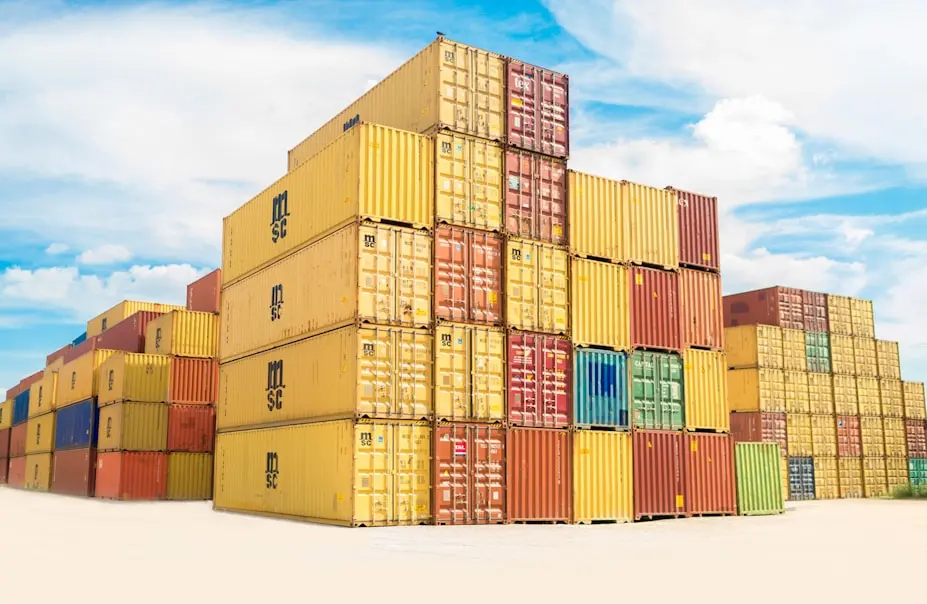
That era is over. Today, supply chains are no longer just about moving boxes; they are about moving data.
The “Amazon effect” has trained consumers to expect speed, transparency, and precision. To meet these demands, the logistics industry is undergoing a massive digital transformation. From predictive AI to autonomous robots, technology is turning linear supply chains into dynamic, interconnected digital supply networks.
Here is how technology is reshaping the way the world moves goods.
1. The Internet of Things (IoT): Real-Time Visibility
In the past, “tracking” meant a status update every 24 hours. Today, IoT sensors provide granular, real-time visibility.
- Asset Tracking: Small sensors on shipping containers transmit real-time location data. You don’t just know your cargo is “at sea”; you know exactly where it is.
- Condition Monitoring: For sensitive goods (like pharmaceuticals or food), smart sensors monitor temperature, humidity, and shock. If a freezer container malfunctions in the middle of the ocean, an alert is sent immediately, allowing companies to mitigate the loss before arrival.
2. Artificial Intelligence (AI) & Machine Learning
If IoT gives you the data, AI tells you what to do with it.
- Demand Forecasting: Instead of relying on historical sales data alone, AI analyzes weather patterns, social media trends, and economic indicators to predict demand spikes before they happen.
- Route Optimization: AI algorithms calculate the most efficient delivery routes in milliseconds, accounting for traffic, weather, and fuel costs, saving companies millions in operational expenses.
3. Warehouse Automation and Robotics
The modern warehouse is less about forklifts and more about cobots (collaborative robots).
- AS/RS (Automated Storage and Retrieval Systems): Robots can pick and pack orders significantly faster than humans, with near-zero error rates.
- Autonomous Mobile Robots (AMRs): These machines navigate warehouse floors independently, moving pallets and goods to human workers, reducing physical strain and increasing throughput.
4. Blockchain: The Trust Layer
Supply chains involve dozens of parties—manufacturers, suppliers, shippers, customs brokers, and banks. Blockchain creates a single, immutable digital ledger that everyone can trust.
- Smart Contracts: Payments can be automatically released as soon as a shipment is verified as delivered, reducing paperwork disputes and speeding up cash flow.
- Provenance: Consumers can scan a QR code to trace the journey of a coffee bean from the farm to their cup, verifying ethical sourcing claims.
5. Cloud Computing: The Connector
None of the technologies above work in isolation. Cloud platforms connect the dots, allowing a retailer in New York to see inventory levels in a factory in Vietnam instantly. This connectivity breaks down “silos,” ensuring that procurement, sales, and logistics teams are all looking at the same data.
The Bottom Line: Resilience
The true value of technology isn’t just efficiency—it’s resilience. When global disruptions occur (like pandemics or port strikes), traditional supply chains break. Tech-enabled supply chains bend. They allow companies to pivot quickly, source from alternative suppliers, and reroute shipments in real-time.
Modernizing the supply chain is no longer a luxury for industry giants; it is a survival requirement for any business that wants to scale in the 21st century.