
A decade ago, the supply chain was largely invisible to the average consumer. Today, thanks to the explosion of e-commerce, logistics is front and center. Customers don’t just buy a product; they buy a delivery experience.
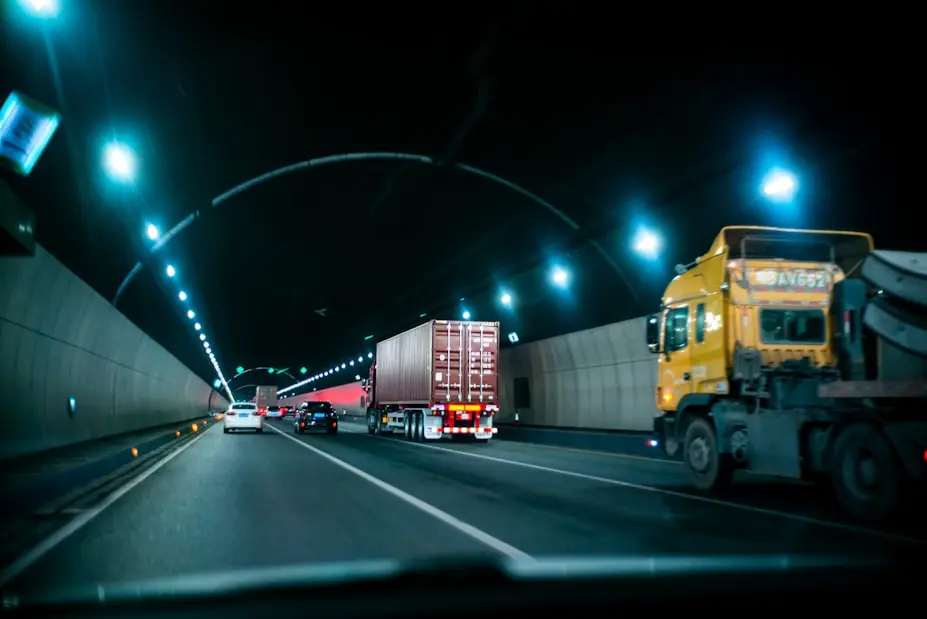
For businesses, this shift has been seismic. The “Amazon Effect” has trained consumers to expect speed, transparency, and low costs. As a result, the traditional linear supply chain is evolving into a complex, responsive network.
At Rock Freight Systems Ltd., we have witnessed this shift firsthand. Here is how e-commerce is rewriting the rules of logistics and what businesses need to do to keep up.
1. From Bulk to Eaches: The Inventory Shift
Traditionally, freight forwarding involved moving massive pallets from a factory to a central distribution center. E-commerce has fragmented this volume.
- Smaller, More Frequent Shipments: Instead of monthly bulk orders, businesses are now restocking constantly to meet fluctuating online demand.
- Omnichannel Distribution: Inventory isn’t just sitting in one warehouse; it is often split across regional hubs, physical stores, and micro-fulfillment centers to get products closer to the end consumer.
This requires a freight partner who is agile enough to handle “Less than Container Load” (LCL) shipments and rapid restocking cycles without driving up costs.
2. The Demand for Real-Time Visibility
In the B2B world, a tracking update once a day used to be sufficient. In the e-commerce world, consumers check the status of their package multiple times a day.
This pressure travels up the chain. Retailers now demand granular visibility from their freight forwarders. They need to know exactly when a container arrives at the port or clears customs so they can promise accurate delivery dates to their customers on the web.
3. The Challenge of Reverse Logistics
Perhaps the biggest disruption e-commerce has introduced is the massive volume of returns. In brick-and-mortar retail, returns are simple. In e-commerce, return rates can be as high as 30%.
Reverse logistics—the process of moving goods from the customer back to the seller—is now just as critical as the forward journey. An efficient supply chain must be able to:
- Consolidate returns cost-effectively.
- Process goods quickly for resale.
- Minimize the environmental impact of returned transport.
4. The “Middle Mile” Importance
While everyone talks about the “Last Mile” (delivery to the customer’s door), the “Middle Mile” is where the battle is won or lost. This is the stage where goods move from ports/airports to fulfillment centers.
If the Middle Mile is slow or disorganized, the Last Mile fails. Efficient freight forwarding ensures that goods are cleared and transported to fulfillment centers immediately, preventing stockouts during peak shopping seasons like Black Friday.
Conclusion: Agility is the New Currency
The e-commerce boom has proven that rigid supply chains break under pressure. The businesses that succeed today are those that build agile supply chains capable of pivoting when demand spikes.
At Rock Freight Systems Ltd., we specialize in optimizing the critical First and Middle Miles of your supply chain. Whether you are a direct-to-consumer brand or a retailer expanding your online presence, we ensure your inventory is exactly where it needs to be, when it needs to be there.