
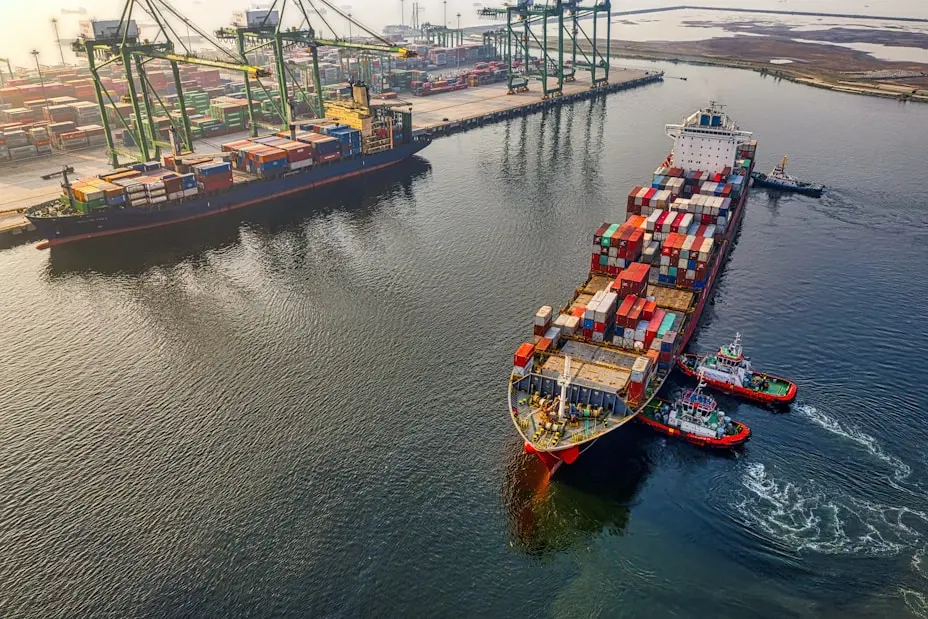
The shipping industry is the backbone of the global economy, moving over 80% of the world’s trade. But this massive scale comes with a massive footprint. For years, logistics has been a significant contributor to global carbon emissions, but the tide is turning.
“Sustainability” is no longer just a buzzword in annual reports; it is becoming a strict operational requirement. With tightening regulations like the IMO 2023 carbon intensity measures and growing consumer demand for eco-friendly brands, shippers must adapt or risk being left behind.
Here is how modern businesses are adopting sustainable shipping practices to build a greener, more efficient future.
Why Green Shipping is No Longer Optional
The pressure to decarbonize is coming from two sides:
- Regulators: Governments and international bodies are imposing stricter emission targets. Non-compliance is becoming expensive.
- Consumers: Today’s customers check labels. They want to know if their product arrived in a way that respects the planet. A recent survey showed that nearly 60% of consumers are willing to change their shopping habits to reduce environmental impact.
Key Strategies for Sustainable Shipping
Going green doesn’t always mean rebuilding your entire fleet. Many impactful changes come from optimization and smarter decision-making.
1. Optimize Routes with Technology
The cleanest mile is the one you never travel. Modern logistics software uses AI and real-time data to plan the most efficient delivery routes. By avoiding traffic congestion and reducing idle time, companies can significantly cut fuel consumption.
- The Benefit: Lower fuel costs and faster delivery times.
2. “Right-Size” Your Packaging
We have all received a tiny USB drive inside a shoe-box-sized package filled with plastic air pillows. This is “shipping air,” and it is a waste of space and fuel.
- The Fix: Use automated packaging systems that cut boxes to the exact size of the product.
- The Benefit: You fit more packages into a single truck/container, reducing the total number of trips required.
3. Shift Transport Modes (Intermodal Shipping)
Air freight is the fastest way to move goods, but it has the highest carbon footprint. Whenever time allows, shifting from air to sea, or from road to rail, can drastically lower emissions.
- Fact: Rail transport is roughly 3 to 4 times more fuel-efficient than truck transport.
4. Grouping Orders (Consolidation)
The rise of “instant delivery” has led to trucks running half-empty. Consolidating shipments—waiting to fill a truck or container (LCL to FCL) before dispatching—maximizes efficiency.
- For Retailers: Offer customers a “Green Delivery” option at checkout where they can choose to have multiple items delivered together in fewer packages, even if it takes a day longer.
5. Slow Steaming
In ocean freight, speed kills efficiency. “Slow steaming” involves operating cargo ships at significantly lower speeds to reduce fuel consumption.
- The Impact: A 10% reduction in speed can result in a disproportionately larger reduction in fuel usage and greenhouse gas emissions.
The Business Case for Sustainability
There is a misconception that sustainable practices are a “cost center.” In reality, they are an efficiency driver.
- Using less fuel saves money.
- Using less packaging material reduces overhead.
- Marketing your green initiatives builds brand loyalty and differentiates you from competitors.
Conclusion
The transition to a greener future won’t happen overnight, but the roadmap is clear. Whether it is switching to biodegradable packaging, investing in electric last-mile delivery vans, or simply optimizing routes, every step counts.
For shippers today, sustainability isn’t just about saving the planet—it’s about future-proofing your business.