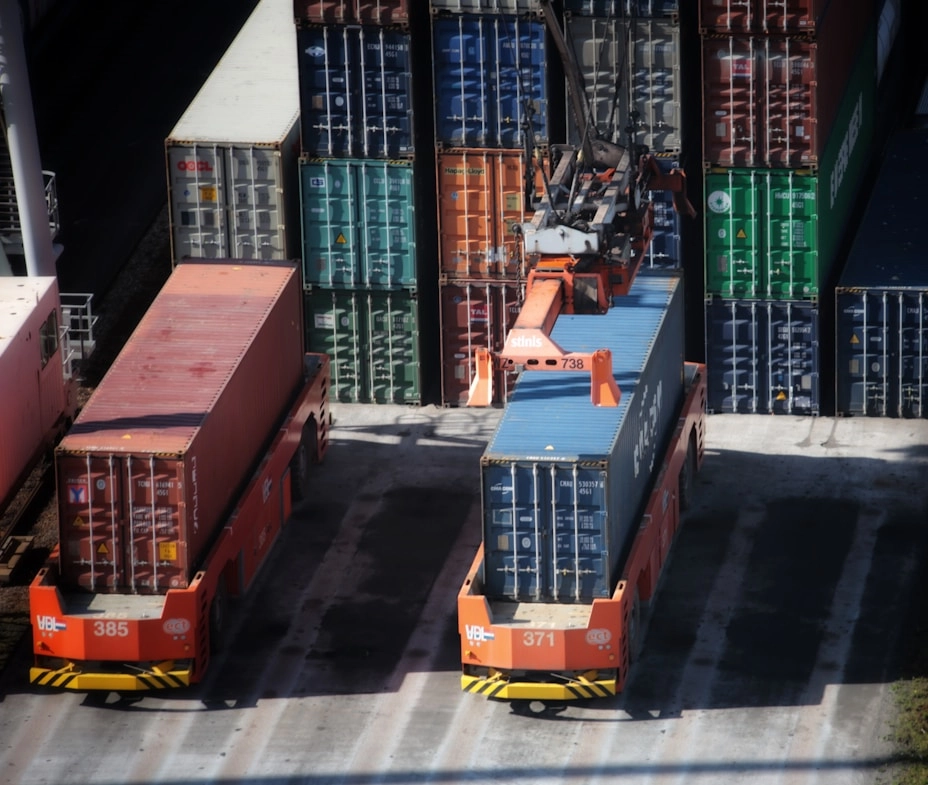
The logistics industry is no longer just about moving goods from Point A to Point B. In the wake of global supply chain disruptions and rapid technological evolution, freight forwarding is undergoing a massive transformation.
At Rock Freight Systems Ltd., we believe that staying ahead of the curve isn’t just an advantage—it’s a necessity. As we look toward the future of logistics, several key innovations are set to redefine how businesses manage their supply chains. Here is what is on the horizon.
1. The Rise of Artificial Intelligence (AI) and Predictive Analytics
The days of reactive logistics are fading. AI is ushering in an era of predictive logistics. Instead of simply tracking where a shipment is, algorithms can now analyze vast amounts of historical data, weather patterns, and port traffic to predict delays before they happen.
- Route Optimization: AI tools can calculate the most fuel-efficient and fastest routes in real-time, adjusting for traffic or weather instantly.
- Demand Forecasting: Helping businesses stock inventory more accurately, reducing warehousing costs and waste.
2. Internet of Things (IoT) and Real-Time Visibility
“Where is my cargo?” is the most common question in our industry. The Internet of Things (IoT) is answering that with unprecedented precision. Smart containers equipped with sensors do more than just broadcast location; they monitor the condition of the freight.
- Temperature & Humidity Control: Crucial for pharmaceuticals and perishables.
- Shock & Tilt Sensors: Ensuring fragile goods haven’t been mishandled during transit.
For our clients, this means total transparency and peace of mind knowing that their sensitive cargo is being monitored 24/7.
3. Sustainability and “Green Logistics”
Sustainability is no longer a buzzword; it is a business requirement. Regulatory pressure and consumer demand are driving a shift toward eco-friendly supply chains.
- Alternative Fuels: The industry is seeing a rise in ships powered by LNG (Liquefied Natural Gas) and electric delivery fleets for last-mile logistics.
- Carbon Offsetting: More forwarders are offering tools to calculate and offset the carbon footprint of specific shipments.
At Rock Freight Systems Ltd., we are committed to helping our clients navigate these green options to achieve their environmental goals without sacrificing efficiency.
4. Blockchain for Documentation and Security
Freight forwarding involves a mountain of paperwork—bills of lading, invoices, and customs forms. Blockchain technology promises to digitize and secure this process. By creating an immutable digital ledger, blockchain can:
- Eliminate Paperwork: Reducing administrative errors and processing time.
- Enhance Security: preventing document fraud and unauthorized tampering.
- Speed Up Payments: utilizing “Smart Contracts” to automate payments once delivery is verified.
Conclusion: Adapting for the Future
The future of freight forwarding is digital, transparent, and sustainable. While technology provides the tools, the human element remains irreplaceable. Complex supply chain challenges still require experienced professionals to interpret data and make strategic decisions.
At Rock Freight Systems Ltd., we combine cutting-edge industry insights with personalized service to ensure your business thrives in this new era of logistics.