
If you asked a logistics manager five years ago what their biggest headache was, they might have said “fuel prices.” Ask them today, and the list is endless: port strikes, geopolitical tension, fluctuating capacity, and unpredictable consumer demand.
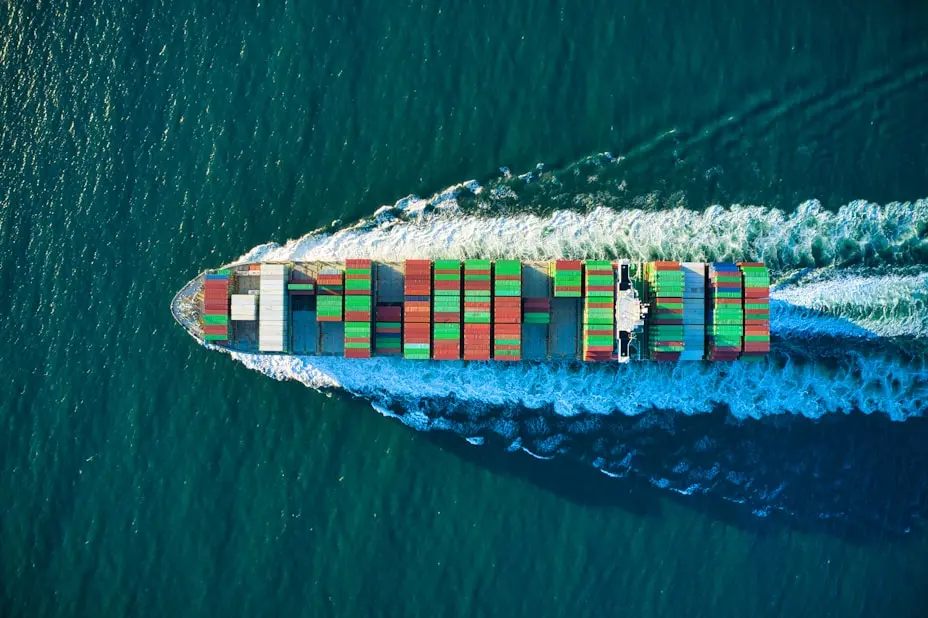
Global shipping has moved from a behind-the-scenes operational detail to a boardroom-level crisis. The “just-in-time” model is being tested like never before, and businesses that fail to adapt are facing stockouts and margin erosion.
But for every problem, there is a strategy. Here are the top 5 challenges facing global shippers today—and the practical solutions to overcome them.
1. Skyrocketing Freight Costs
Freight rates are no longer stable. A sudden shortage of containers or a blockade in the Red Sea can send spot rates soaring overnight. Relying purely on the spot market is a gamble that can destroy your profit margins.
The Solution: The “Portfolio” Approach Don’t put all your eggs in one basket.
- Mix Your Contracts: Maintain a healthy balance between long-term fixed contracts (for stability) and spot market bookings (to take advantage of dips in pricing).
- Consolidate Cargo: Stop shipping air. If you are shipping LCL (Less than Container Load), work with a consolidator to combine shipments, or delay dispatch slightly to fill a full container (FCL), which effectively lowers the cost per unit.
2. The Visibility “Black Hole”
“Your package is in transit.” In 2026, this status update is not enough. Customers demand to know if their goods are at the port, on the truck, or stuck in customs. A lack of visibility leads to poor inventory planning and frustrated customers.
The Solution: Invest in API-First Logistics Stop relying on emails and spreadsheets.
- Real-Time Tracking: Use freight forwarders who offer digital dashboards with real-time satellite tracking of vessels.
- Data Integration: Connect your logistics provider’s API directly to your ERP. This ensures that when a ship is delayed, your inventory system automatically updates the “estimated restock date” on your website, managing customer expectations proactively.
3. Port Congestion and Unpredictable Delays
Bottlenecks at major hubs (like Los Angeles, Rotterdam, or Shanghai) are becoming the new normal. A ship might wait weeks just to dock, throwing your entire supply chain off schedule.
The Solution: Diversify Your Entry Points Stop following the herd.
- Alternative Ports: If everyone is shipping to the West Coast, look at entry points on the East Coast or secondary ports that may be less congested. The trucking cost might be higher, but the speed to market often justifies it.
- The “China Plus One” Strategy: Diversify your sourcing so you aren’t reliant on a single trade lane. If one region locks down, you can ramp up production in another.
4. Complex Customs and Regulatory Compliance
Cross-border trade involves navigating a minefield of tariffs, sanctions, and ever-changing import rules. One wrong HS Code can lead to your goods being seized or slapped with massive fines.
The Solution: Automate and Delegate
- Digital Customs: Use software that automatically validates HS Codes and checks for restricted parties before you ship.
- Hire Experts: Don’t let your intern handle customs paperwork. Partner with a licensed Customs Broker who takes legal responsibility for the clearance. The cost of a broker is a fraction of the cost of a customs audit.
5. Labor Shortages
From truck drivers to warehouse workers, the logistics industry is facing a massive talent gap. This leads to slower processing times and goods sitting on docks simply because there is no one to move them.
The Solution: Automation & “Shipper of Choice”
- Warehouse Automation: Deploy AMRs (Autonomous Mobile Robots) to handle picking and packing, reducing reliance on manual labor for repetitive tasks.
- Be a “Shipper of Choice”: To attract the best trucking carriers, make your facility driver-friendly. Reduce dwell times (waiting times), offer clean facilities, and pay invoices fast. Drivers prioritize shippers who treat them well.
Final Thoughts: From “Just-in-Time” to “Just-in-Case”
The era of perfectly predictable shipping is likely gone. The winners in this new landscape aren’t the ones waiting for things to go back to normal—they are the ones building resilience.
By diversifying your partners, leveraging data for visibility, and preparing for disruption, you turn your supply chain from a vulnerability into a competitive advantage.